March is National Kidney Month. Chronic kidney disease (CKD) often progresses quietly, and many patients don’t know they have it until it’s advanced. Patients with CKD frequently have diabetes, hypertension and heart disease as well, requiring coordination among nephrologists, primary care physicians, cardiologists, dietitians and pharmacists. Care management helps keep everything connected.
Here’s how care management supports CKD patients and nephrology practices.
Why CKD Patients Need Care Management
- Multiple chronic conditions: CKD rarely occurs alone.
- Complex medications: Many drugs require dose adjustments based on kidney function, and some should be avoided.
- Lab monitoring: Regular testing tracks progression and complications.
- Diet and lifestyle: Patients need guidance on nutrition, fluids, blood pressure and blood sugar control.
- Planning for the future: Patients with advancing disease need education about treatment options.
How Care Management Helps
Coordinated care plans
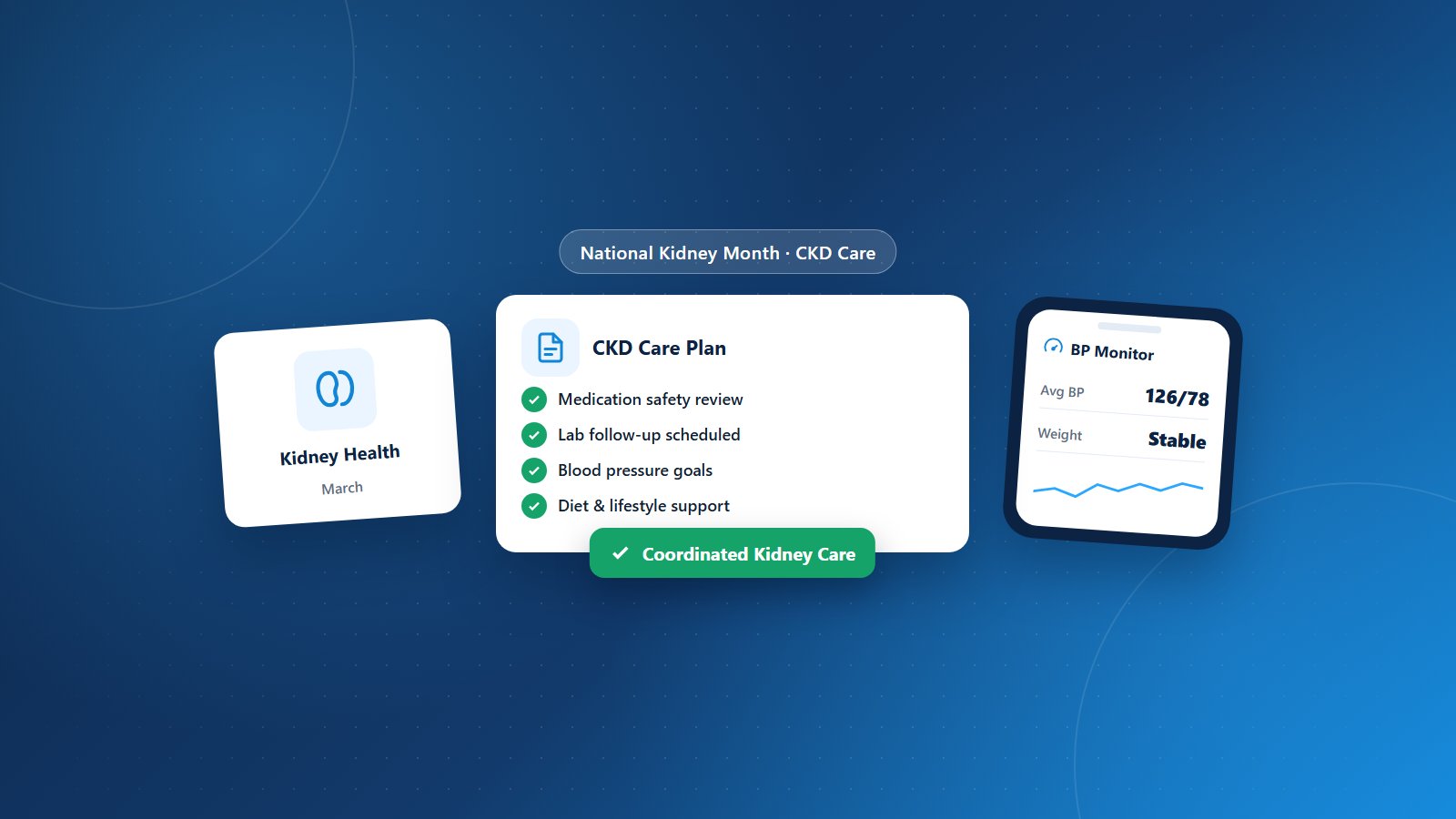
A comprehensive care plan brings together kidney care, diabetes and blood pressure management, medications and specialist recommendations.
Medication safety
Care managers reconcile medications, flag drugs that may be inappropriate for kidney function and reinforce adherence.
Lab follow-up
Regular reminders help patients complete lab work so physicians can monitor progression.
Blood pressure and glucose monitoring
Remote patient monitoring of blood pressure and weight helps control the conditions that drive CKD progression.
Education and planning
Care managers help patients understand their condition and prepare for future treatment decisions.
Transitions of care
After hospitalizations, timely follow-up and medication review reduce readmissions.
Benefits for Nephrology Practices
- Slower disease progression and better outcomes.
- Stronger collaboration with primary care and other specialists.
- Support for quality measures and value-based programs.
- Recurring revenue from chronic care management services when requirements are met.
Getting Started
- Identify CKD patients with additional chronic conditions.
- Document consent and create comprehensive care plans.
- Assign care managers and schedule regular outreach.
- Coordinate with primary care to avoid duplicating care management services.
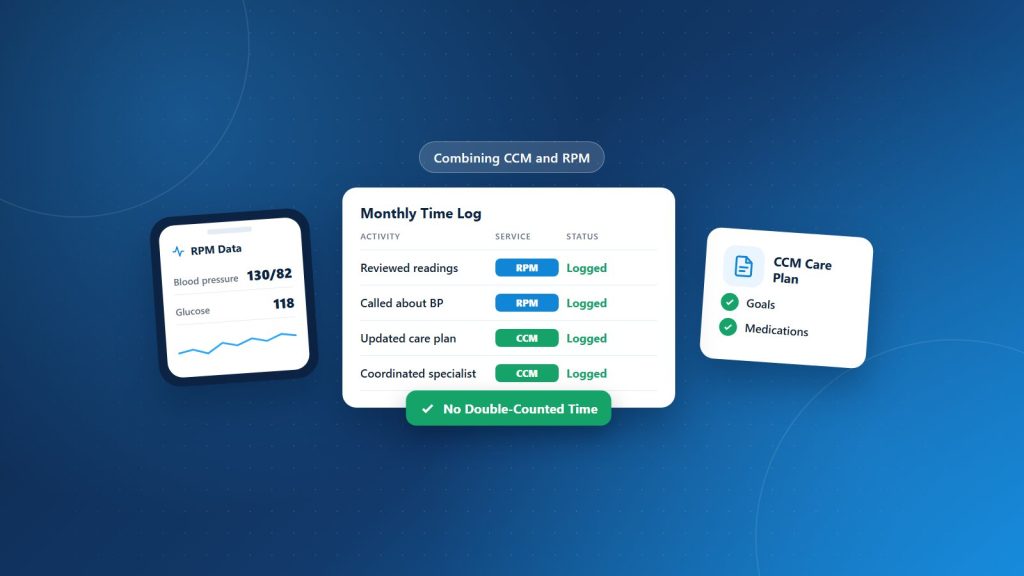
- Track time and document activities for billing.
For billing tips specific to nephrology, read our nephrology billing guide.
Care Management Support From PRCM
Physicians Revenue Cycle Management helps nephrology and primary care practices deliver care management programs for CKD patients, with documentation, time tracking and accurate billing.
This National Kidney Month, support your CKD patients between visits. Let’s connect.