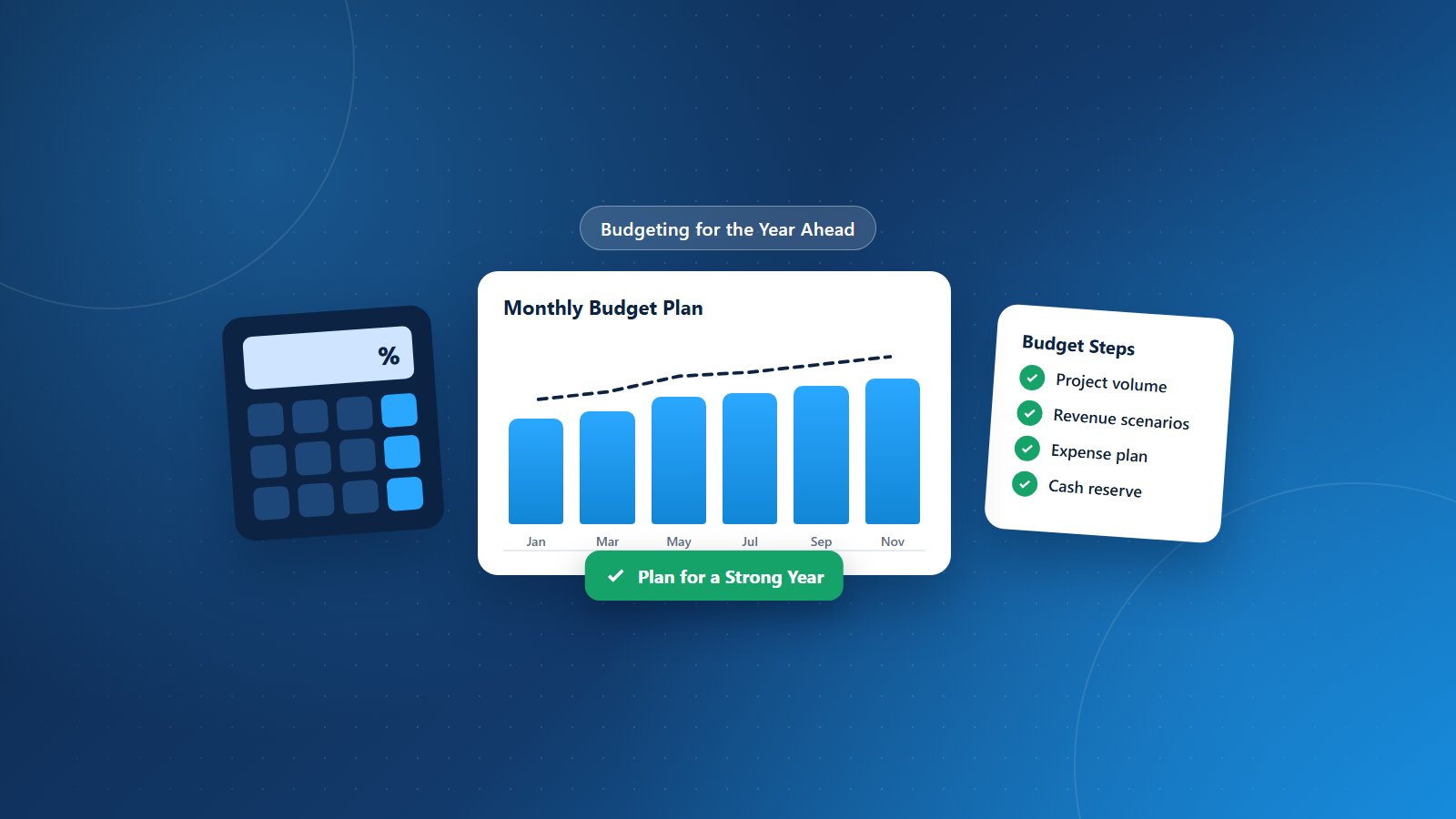
A budget is more than a spreadsheet. For a medical practice, it’s a plan for how the practice will grow, invest, staff and remain financially healthy in the year ahead. Practices that budget thoughtfully can anticipate cash flow challenges, plan major purchases and measure performance throughout the year. Fall is the ideal time to start, with enough data from the current year to inform realistic projections.
Here’s how to build next year’s budget for your practice.
Step 1: Review This Year’s Performance
Start with actual year-to-date results and a projection for the rest of the year. Review revenue, expenses, collections and key metrics. Our mid-year financial review outlines what to examine.
Step 2: Project Patient Volume
Estimate visits and procedures for next year based on trends, provider schedules, planned hires or departures, new services and seasonal patterns.
Step 3: Project Revenue Conservatively
Revenue projections should consider:
- Expected volume by service.
- Payer mix and expected reimbursement.
- Annual payment updates, which can be positive or negative.
- Collection performance and patient responsibility trends.
- Revenue from care management, remote monitoring and ancillary services.
Build a conservative scenario alongside your expected case.
Step 4: Budget Expenses by Category
- Staffing: Salaries, raises, benefits, payroll taxes and planned hires.
- Facilities: Rent, utilities and maintenance.
- Supplies: Medical and office supplies based on volume.
- Technology: Software subscriptions, IT support and upgrades.
- Insurance: Malpractice and business insurance.
- Professional services: Billing, accounting, legal and consulting.
- Marketing: Based on your annual marketing plan.
Step 5: Plan Capital Investments
List planned equipment purchases, renovations and technology projects, with timing and financing options. Consider tax implications with your advisor.
Step 6: Plan Cash Flow by Month
Revenue and expenses don’t arrive evenly. Plan for slower collections early in the year when deductibles reset, and for large periodic expenses such as insurance premiums or tax payments.
Step 7: Set Financial Goals and KPIs
Define targets for collections, overhead ratio, days in A/R, denial rate and other key metrics. Learn about revenue cycle KPIs.
Step 8: Build in a Reserve
Include a contingency for unexpected expenses or revenue shortfalls, and plan to maintain an adequate cash reserve.
Step 9: Review Monthly
Compare actual results with the budget every month and investigate significant variances. Adjust the forecast as the year unfolds.
Budgeting Support From PRCM
Physicians Revenue Cycle Management’s accounting and taxation services help practices build budgets, track performance and plan for the year ahead, while our billing services keep revenue on target.
Want the complete picture? Read our guide: How to Choose a Medical Billing Company: 12 Questions to Ask.
Ready to plan a strong year ahead? Let’s connect.